Medical Oncology
Treating cancer with medicines that travel through the bloodstream, reaching cancer cells anywhere in the body.

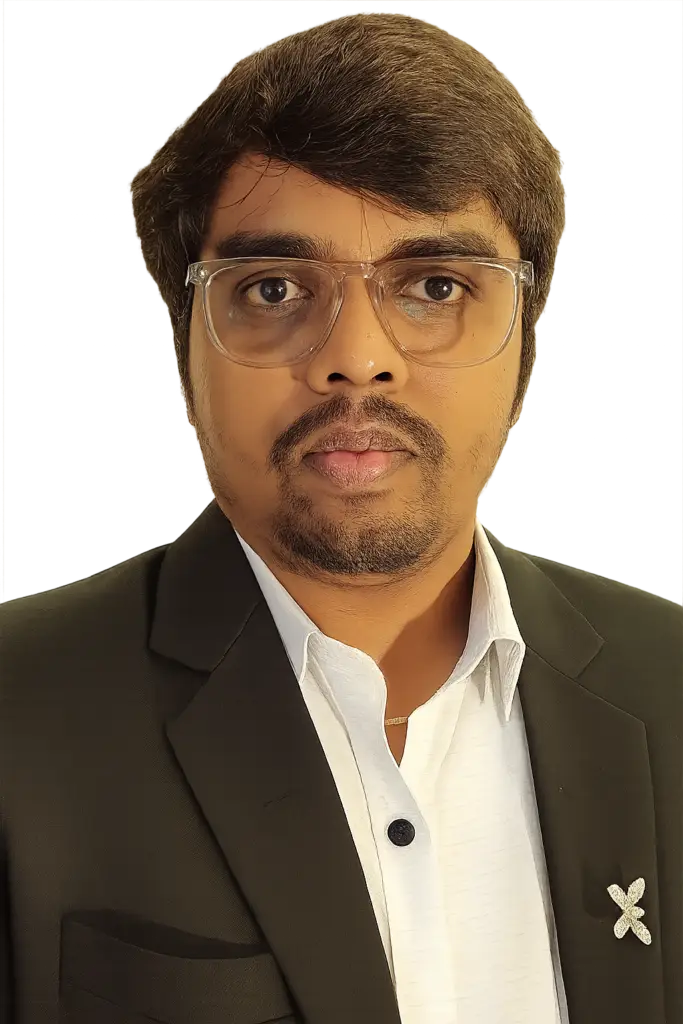
Dr Revanth M Khandke
Radiation Oncologist, FounderTrained at the Kidwai Memorial Institute of Oncology, Bengaluru. Experienced in modern radiotherapy techniques, treatment planning, and multidisciplinary cancer management, with a clinical approach centered on precision, patient safety, and compassionate, individualized care.
Medical Oncology is a core branch of oncology focused on the treatment of cancer using medicines. These medicines travel through the bloodstream to reach cancer cells anywhere in the body, making medical oncology essential for treating both localised and advanced cancers.
How medical oncology works
Medical oncology uses anti-cancer drugs that act on rapidly dividing cancer cells or target specific molecular pathways involved in cancer growth. Because these drugs circulate throughout the body, they can treat microscopic disease that is not visible on scans.
- Kill cancer cells
- Stop or slow tumor growth
- Prevent spread (metastasis)
- Enhance the effectiveness of surgery and radiation therapy
Hormonal and precision therapy
Hormonal (endocrine) therapy is used in hormone-sensitive cancers to block or reduce hormone effects, commonly in breast, prostate, and endometrial cancer. Modern medical oncology increasingly combines treatments guided by tumor genetics, biomarkers, and patient health and preferences, an approach known as precision oncology.
Safety, monitoring, and supportive care
Modern medical oncology emphasises patient safety and comfort, with day-care chemotherapy units, evidence-based dosing protocols, advanced anti-nausea and supportive medications, and regular blood tests and imaging.
Book your appointment
Speak with Dr. Revanth M Khandke about your case, reports, or treatment options.
Book nowExplore other specialities
View all specialities →Chemotherapy
Cytotoxic drugs that kill fast-growing cancer cells.
- Curative treatment
- Adjuvant therapy (after surgery)
- Neoadjuvant therapy (before surgery)
- Palliative therapy
Targeted Therapy
Targets specific genes, proteins, or pathways involved in cancer growth.
- More precise than chemotherapy
- Guided by molecular/genetic testing
- Targets HER2, EGFR, ALK, BRAF, VEGF
Immunotherapy
Harnesses the body's immune system to recognise and destroy cancer cells.
- Immune checkpoint inhibitors
- Cancer vaccines
- Cellular therapies
Side effects
Side effects vary depending on the drugs used and may include fatigue, hair loss, nausea and vomiting, infections, and blood count changes. Most side effects are temporary and manageable with proper care.